 by
by We have been trained to be bottom-line focused, can-do, action-oriented, to get on with it, and so on. Even in our Houston Foresight program, we taught a whole summer course on Activation last year focused on how get foresight work acted upon. And we have a draft book manuscript on the topic. BUT, like most things in life, too much of a good thing ain’t good. This mania for action has had several negative effects.
- Taking our time, thinking, and patience are out of vogue, but these are vital attributes of good futures work.
- People in organizations are generally terrified of making a mistake, so they will invoke all kinds of counter-measures to avoid being forced to make a decision.
- Acting faster usually means taking the path of least resistance. We know from the great systems thinker Donnella Meadows that significant systems change is long and difficult work. [See an application of her systems intervention framework for After Capitalism.]
- If we do make a decision, most organizations are ready to “pivot” at a moment’s notice. I loathe the “pivot” concept … how many times do we see carefully researched hard work abandoned the second that an obstacle appears? It makes one sound adaptable, but most often it shows a lack of conviction or fortitude.
Perhaps the most important thing I’ve learned in 35 years of study change is that “change is slower than we think.” People think it’s fast, because they aren’t tracking it. Futurists do track it, and we see how very, very long it takes for an initial idea to make the journey to implementation.
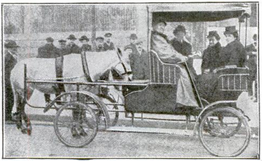
Pushing to action plans before agreeing on purpose is putting the cart before the horse. BTW, I was surprised to learn that there were attempts to have horses push the cart at the turn of the 20th century, but that didn’t work out too well. Nor will it work in our case here.
Which leads us — if you’re still with me and not on to another task because I took too long – to why guiding images are so important. If change is slow, and difficult, and people would prefer almost anything to making a decision, then we should be very, very careful about the decisions we make. The Three Guiding Images of After Capitalism are offered as alternatives to capitalism, a system that has been dominant for several centuries. This is a monumental shift, and even though the current system appears to be collapsing, I am suggesting we are 20 to 30 years away from these alternatives. That is a long journey, my friends, and it will be so very easy to give up when the going gets tough. A guiding image keeps you going through the inevitable tough times. Because you believe in where you are going, it’s worth the struggle.
In short: The journey to change is long and difficult, and if we don’t deeply believe in the purpose of that change, we’ll give up.
As I have been speaking and podcasting about After Capitalism over the last year or so, the biggest question is on the “how.” I get it, but I am emphasizing first things first. Do these guiding images suggest futures we want to work towards? I don’t feel I have an answer yet … there is still more discussion to be had about where we want to get to. Rest assured, if and when we do get some sense of direction, I will be thrilled to produce the how-to: A Field Guide to After Capitalism. – Andy Hines

Leave a Reply